How to Find and Fix the Mold Hiding in Your Bathroom
Bathroom mold is a persistent nuisance. You scrub the grout, wipe the ceiling, and within weeks the same dark spots return. What many homeowners miss is that the mold they see is only part of the problem. The real trouble often lies out of sight, behind walls, under vanities, or inside ventilation ducts. Stopping the cycle requires a systematic approach that addresses both visible growth and the hidden conditions that feed it.
Below is a practical checklist. Each item targets a common place where mold takes hold or a condition that allows it to thrive. Work through them in order, and you will catch problems that routine cleaning leaves untouched. Mold Removal Boston Pros hidden bathroom mold
Check the caulk and grout for gaps
Caulk and grout are your first line of defense. When they crack or pull away from surfaces, water seeps behind them and stays damp. That tiny gap between the tub and the tile can hold enough moisture to feed a colony for months. Run a fingernail along every seam. If you find soft, crumbling grout or caulk that lifts away, plan to remove and replace it. Silicone caulk is worth the extra cost because it stays flexible and resists mildew better than acrylic blends.
Inspect the ventilation fan and ductwork
A bathroom fan that vents into the attic rather than the outside is a common cause of hidden moisture. Even a fan that runs but moves little air can leave enough humidity behind for mold to grow on walls and ceilings. Turn the fan on and hold a tissue near the grille. If the tissue barely moves, the fan may be undersized, clogged, or failing. Also check the exhaust duct for kinks or disconnections. Straightening the duct or upgrading to a higher-CFM fan can drop humidity levels quickly. Mold Removal Boston Pros hidden bathroom mold inspections often start right here, because a bad vent creates problems everywhere else.
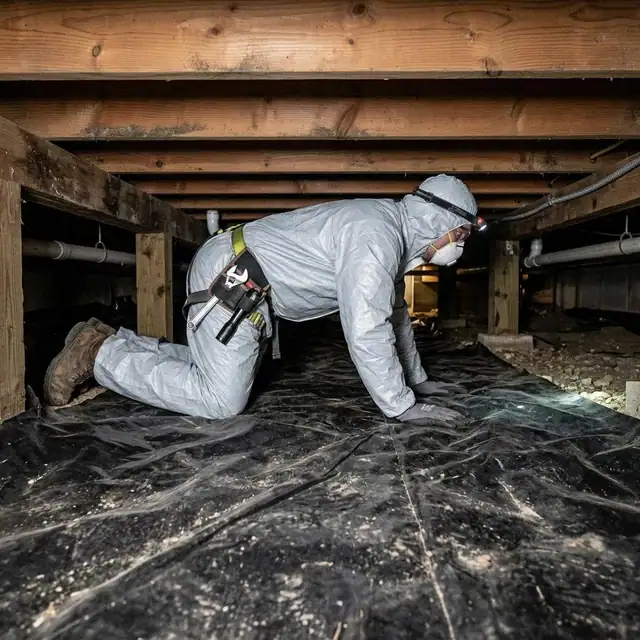
Look behind the vanity and under sinks
Leaks under the sink are easy to ignore because you do not see them every day. A slow drip from a supply line or a loose p-trap can saturate the cabinet floor and the wall behind it. Pull everything out and shine a light into the corners. Look for water stains, warped particleboard, or a musty smell. Even if the wood feels dry, touch the wall surface. If it is cool or damp, moisture is wicking through from a leak you have not found yet. Fix the plumbing first, then replace any damaged material.
Examine the toilet base and seals
The wax ring under a toilet can fail with age, allowing a thin film of water to spread across the floor. Over time that moisture seeps into the subfloor and the baseboard. Check for soft flooring near the toilet or a rocking bowl. A loose toilet almost always means a broken seal. Tightening the bolts may help, but a new wax ring is the real fix. While you are there, look at the supply line where it meets the fill valve. Tiny cracks in the hose can spray a fine mist that you never hear but the wall absorbs.
Check the ceiling and crown molding
Steam rises, so the ceiling is the first place condensation collects. If your bathroom lacks a proper vapor barrier or the ceiling paint is flat rather than semi-gloss, moisture soaks in and mold follows. Run a hand across the ceiling after a hot shower. If it feels damp, consider switching to a mold-resistant paint or adding a coat of primer designed for high-moisture areas. Also inspect the corner where the ceiling meets the wall. Dark specks there often mean the paint has failed and the drywall is absorbing moisture.
Test for hidden moisture inside walls
You cannot always see a wall leak. A pipe inside the wall can develop a pinhole leak that wets the insulation and the back of the drywall. If you notice a persistent musty smell in one spot, or if the wall feels cool to the touch compared to surrounding surfaces, you may have a hidden moisture pocket. A non-invasive moisture meter can confirm it without cutting the wall. If the reading is high, call a professional to open the wall and dry it out properly. Mold Removal Boston Pros hidden bathroom mold assessments use this kind of testing to find problems that would otherwise go unnoticed for years.
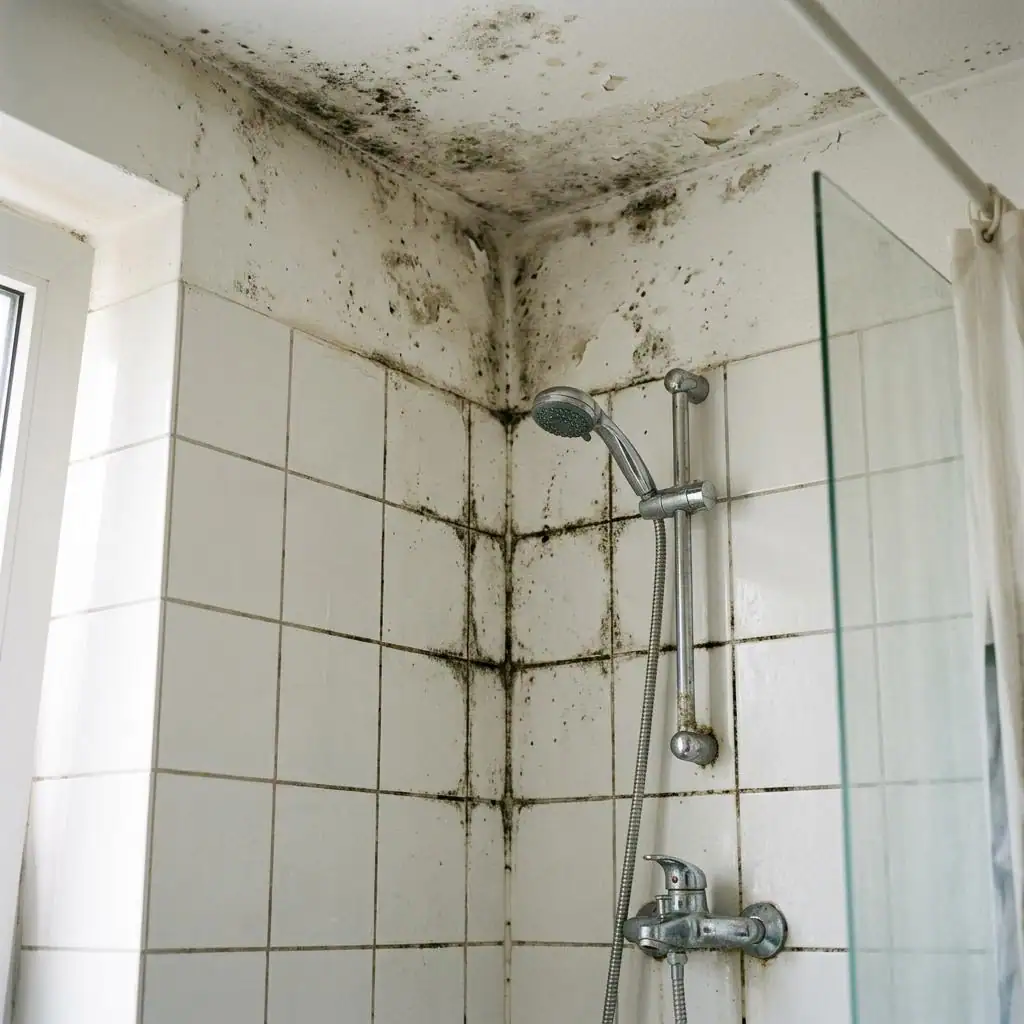
Clean or replace the shower curtain and liner
A fabric shower curtain holds moisture long after the shower ends. If it touches the wet floor or folds over itself, the trapped water grows mold on the bottom edge. Machine-wash fabric curtains monthly with a bit of bleach. For vinyl liners, wipe them down with a bathroom cleaner after every shower. If you see black spots on the liner, replace it. A dollar-store liner is fine, but make sure it hangs freely and does not puddle on the floor.
Evaluate the grout and tile condition
Grout is porous by nature. Over time it can absorb soap scum and moisture, becoming a breeding ground. Sealing grout once a year helps, but if the grout is already dark with mold, sealing will trap the problem. Scrubbing with a baking soda paste or a commercial grout cleaner can lift surface mold. For stubborn growth, a steam cleaner works well because the heat kills spores. If the grout is cracked or missing in large sections, regrouting is the only lasting fix. Tile that has come loose should be reset with new thinset to prevent water from getting behind it.
Monitor humidity levels
A hygrometer costs little and tells you exactly how humid the room is. Ideally, a bathroom should stay below 60 percent relative humidity. If your readings are consistently higher, consider leaving the fan running for 20 minutes after a shower, cracking a window, or using a dehumidifier. Controlling humidity is the single most effective way to prevent mold. Without excess moisture, even existing spores cannot grow into a visible problem.
Address the caulk around the sink and backsplash
The sink backsplash and the countertop edge are another place where caulk fails. Water splashes there every time you wash your hands, and a worn seal lets it run behind the counter. Check the caulk bead along the countertop and around the sink rim. If it is discolored or pulling away, scrape it out and apply fresh caulk. This is a small job that makes a big difference over time.
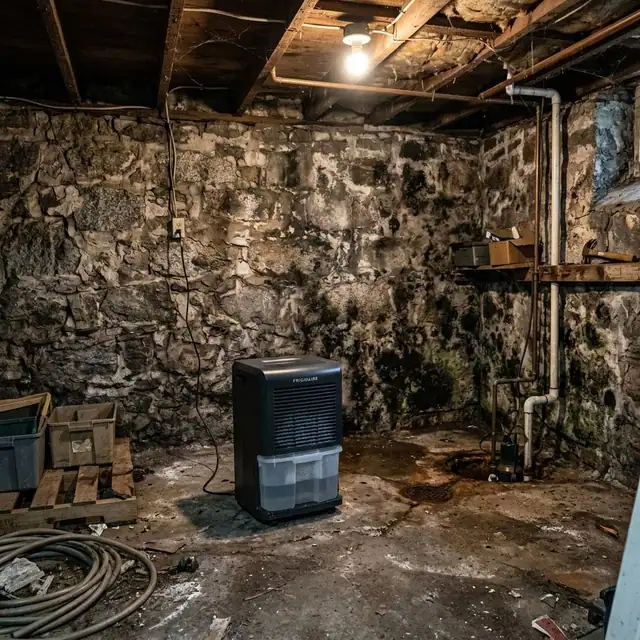
Working through this checklist will catch the common sources of recurring mold. Some fixes are simple, like replacing a shower liner or running the fan longer. Others may require a professional to open a wall or replace a vent system. The key is to look past what you can see and address the hidden moisture that keeps the mold coming back. A thorough inspection now can save you from bigger repairs later.